Termites Destroying Your Home? We Stop Them Fast.
Free Estimates – Call Now

- 15+ Years Experience
- Residential & Commercial
- Licensed & Insured
- Locally Owned & Operated
Termite Treatment in Wesley Chapel, FL
Termites are responsible for more structural damage to homes in Florida than any other pest and the worst part is that most homeowners have no idea anything is wrong until the damage is already significant. They work silently inside your walls, under your floors and through the framing of your home, 24 hours a day, seven days a week, every single day of the year. By the time you see the signs, a termite colony may have been active in your home for months or even years. In Wesley Chapel, where the warm climate and sandy soil create ideal conditions for termite activity, this is not a remote possibility. It is one of the most common and costly problems homeowners in this area face. Our Wesley Chapel pest control team has been dealing with termite infestations throughout this area for over 15 years and we know exactly what to look for and how to eliminate them properly.
If you think you have termites or you just want to know for sure, do not wait. Call us for a free inspection. The longer a termite colony goes untreated, the more expensive the damage becomes and unlike most pest problems, termite damage is almost never covered by homeowners insurance.
The Termite Problem in Wesley Chapel Is Worse Than Most People Realize
Wesley Chapel sits in one of the most termite-active regions in the entire country. Pasco County and the surrounding areas of the Tampa Bay region have conditions that termites love. The heat keeps colonies active for most of the year. The humidity keeps the soil moist and easy to tunnel through. The rapid pace of new construction throughout the 33543, 33544 and 33545 zip codes means freshly disturbed soil, exposed lumber and active building sites that attract termite swarmers looking for new places to establish colonies.
Established neighborhoods like Meadow Pointe, Seven Oaks, Estancia at Wiregrass and Lexington Oaks have older trees, mature landscaping and years of organic material in the soil that termite colonies thrive on. Newer developments are not immune either. Termites do not care how old your home is. They care about wood and moisture, and every home in Wesley Chapel has both.
Florida is home to several termite species but two are responsible for the vast majority of structural damage in this region. Understanding which species you are dealing with matters because the treatment approach is different for each one. If you are not sure what termites look like in their different forms, our homeowner guide breaks it down clearly so you know exactly what you are seeing.
Eastern Subterranean Termites
Eastern Subterranean termites are the most destructive termite species in the United States and they are extremely common throughout Wesley Chapel and the greater Tampa Bay area. They live in the soil, building massive underground colonies that can contain hundreds of thousands to millions of individual termites. The colony sends foraging workers up through the ground and into the wooden structure of your home through mud tubes, which are the pencil-thin tunnels you sometimes see running along your foundation, block walls or inside your garage.
Subterranean termites attack from the bottom up. They get into floor joists, wall studs, door frames, window frames and any other wood that makes contact with or sits close to the soil. Because they work inside the wood and travel through protected mud tubes, you can have a serious infestation going on for a long time without ever seeing a single termite in the open. By the time the wood starts sounding hollow when you knock on it or you notice your floors starting to feel soft or your door frames are slightly off, there is already real structural damage behind the surface.
The mud tubes are one of the most reliable warning signs. If you want to understand exactly what these tubes look like and what they mean, read our detailed guide on termite mud tubes in Wesley Chapel homes. If you see anything that matches that description on your foundation, call us immediately.
Formosan Termites
Formosan termites are sometimes called the super termite and that nickname is earned. They are an invasive species that established themselves throughout Florida and the Gulf Coast states decades ago and their colonies are significantly larger and more aggressive than Eastern Subterranean termites. A mature Formosan colony can contain several million workers and when a colony that size gets into a structure the damage accumulates fast.
Unlike Subterranean termites that work slowly and methodically, Formosan termites can cause serious structural damage in a matter of months under the right conditions. They also build their nests inside the wood itself rather than just in the soil below, which means they can survive and continue damaging a structure even if the soil around the foundation is treated. That is why identifying the species correctly before treating is so important. A treatment plan designed for Subterranean termites may not fully address a Formosan infestation.
Formosan termites swarm in the evening hours, usually from April through July in this part of Florida. If you are seeing large numbers of winged insects swarming around lights outside your home on warm evenings during those months, that is a serious warning sign. Before assuming they are termites, check our guide on flying termites vs flying ants in Wesley Chapel so you know exactly what you are dealing with. Either way, call us for an inspection.
Drywood Termites
Drywood termites are less common than Subterranean or Formosan termites in Wesley Chapel but they do show up, particularly in attics, eaves, wooden furniture and other dry wood that is not in contact with the soil. Unlike the other species, Drywood termites do not need soil contact or moisture to survive. They live entirely within the wood they are consuming and they can infest wood furniture, picture frames, structural framing in attics and any other dry wood source in your home.
One of the clearest signs of a Drywood termite infestation is frass. If you are not sure what termite droppings look like or how to tell them apart from sawdust, our guide on termite droppings in Wesley Chapel homes explains exactly what to look for. If you find small piles of pellet-shaped debris near wooden surfaces anywhere in your home, call us right away.
Warning Signs of Termites in Your Wesley Chapel Home
Most homeowners do not catch a termite infestation early because they do not know what to look for. By the time the signs are obvious, significant damage has already been done. We put together a complete breakdown of the 7 signs of termites in Wesley Chapel homes that every homeowner in this area should read. Here is a summary of what to watch for.
Mud tubes running along your foundation, concrete block, inside your garage or along floor joists in a crawlspace mean there is an active termite highway between the soil and the wood in your home right now. Hollow sounding wood when you tap on door frames, baseboards, window sills or exposed beams means termites have eaten through the interior while leaving a thin outer shell. Discarded wings near windows, doors and light sources mean termites have swarmed inside your home and potentially started a new colony somewhere inside the structure. Paint or drywall that appears bubbled or warped without an obvious moisture source can indicate termite activity behind the wall. Doors and windows that suddenly stick or do not close properly can signal that termite damage has warped the framing around them.
If you want to learn how to do a basic check of your own home before calling us, our guide on how to check for termites in your Wesley Chapel home walks you through it step by step. If you find anything that concerns you, stop and call us. Do not try to treat it yourself.
Our Termite Treatment Process
When you call us for a termite inspection in Wesley Chapel we do not do a quick walk-around and hand you a piece of paper. We do a thorough inspection of every accessible area of your home including the exterior foundation, garage, interior crawlspaces if applicable, attic, all door and window frames, baseboards, any wood-to-soil contact points around the property and the surrounding landscape including mulch beds, tree stumps, woodpiles and any other conditions that attract termites close to the structure.
After the inspection we explain exactly what we found, where the activity is, which species we are dealing with and what the treatment plan looks like. No pressure, no runaround. Just a clear explanation of the problem and what it takes to fix it.
For Subterranean and Formosan termites our primary treatment methods are liquid soil barrier treatments and termite baiting systems. A liquid barrier treatment involves applying a termiticide into the soil around the perimeter of your home, creating a continuous treated zone that kills termites that pass through it and gets carried back to the colony. Baiting systems use monitoring stations placed in the soil around your home that termites find and feed on, carrying the bait back to the colony and eliminating it from the inside out. Depending on the severity of the infestation and the layout of your property we may recommend one or a combination of both methods.
For Drywood termites the treatment approach is different. Localized wood treatments, injectable termiticides and in severe cases whole-structure fumigation may be required. We will tell you exactly what is needed based on what we find during the inspection. After treatment we schedule follow-up visits to confirm the infestation has been eliminated and to monitor for any new activity.
WDO Inspections for Real Estate Transactions in Wesley Chapel
If you are buying or selling a home in Wesley Chapel you almost certainly need a Wood Destroying Organism inspection before closing. Most mortgage lenders in Florida require a WDO inspection as part of the loan approval process. Even if your lender does not require one, any real estate attorney or experienced agent will tell you that skipping a WDO inspection before buying a home in Florida is a serious mistake.
A standard home inspection does not include termites or other wood-destroying organisms. A WDO inspection is a separate inspection performed by a licensed pest control professional that documents any visible evidence of termite activity, wood-destroying beetles, wood-decaying fungi and any conditions conducive to wood-destroying organism damage. The inspection report is submitted to your lender, attorney or real estate agent and is required for most closings in the state. If you want to understand what the inspection involves and what it typically costs, read our guide on termite inspection cost in Wesley Chapel so you know what to expect before you call.
We perform WDO inspections throughout Wesley Chapel and can typically schedule quickly to meet your closing timeline. If the inspection reveals active termite activity or evidence of past damage, we can provide treatment and documentation to satisfy lender requirements. Call us to schedule your WDO inspection and we will get it handled fast.
Why DIY Termite Treatment Does Not Work
The termite products available at hardware stores and home improvement centers are not the same as what licensed pest control professionals use. The over-the-counter sprays, foams and baiting kits sold to the public are limited by EPA regulations on what can be sold without a license. They are nowhere near as effective as professional-grade termiticides and they are almost never applied correctly because most homeowners have no way to know where the full extent of the colony is.
Treating termites yourself almost always means treating what you can see while missing the actual colony. You might kill some workers in one area while the colony continues feeding in three others. You will spend money, waste time and still have termites. Worse, if you use the wrong product or apply it incorrectly you can drive termites deeper into the structure or into other parts of the home, spreading the infestation before a professional ever gets involved.
Termite treatment is not a DIY job. Your home is probably the most valuable thing you own. Do not gamble with it. While you are protecting your home from termites it is also worth making sure you are covered for other common problems in this area. Our rodent control program handles rats and mice that get into attics and walls, and our roach control service eliminates the German and American cockroach infestations that are extremely common in Wesley Chapel homes. Call us and we will take care of all of it.
Pricing for termite treatment varies based on the size of your home, the species involved and the extent of the infestation. Call for a free estimate and we will walk you through exactly what it will cost and why.
Frequently Asked Questions
How do I know if I have termites or just ants?
Termite swarmers and flying ants look similar but there are clear differences. Termites have straight antennae, a thick waist with no pinch between the thorax and abdomen and two sets of wings that are equal in length. Flying ants have bent or elbowed antennae, a pinched waist and front wings that are noticeably larger than the back wings. If you are finding discarded wings inside your home near windows or doors, those wings are usually from termites since ant wings tend to stay attached longer. Our guide on flying termites vs flying ants goes into more detail. When in doubt call us for a free inspection and we will give you a definitive answer.
How long does termite treatment take?
The inspection itself takes roughly 45 minutes to an hour depending on the size and accessibility of your home. Treatment time varies based on the method used and the size of the structure. A liquid barrier treatment around the perimeter of a standard single-family home typically takes a few hours. Baiting system installation is faster. We will give you a specific timeframe when we go over the treatment plan after the inspection.
Do I need to leave my home during termite treatment?
For liquid barrier treatments applied to the soil around the exterior of your home you generally do not need to vacate. For interior treatments or whole-structure fumigation temporary vacating is required. We will tell you exactly what is needed for your specific treatment before we start so you can plan accordingly.
How much does termite treatment cost in Wesley Chapel?
Pricing depends on the size of your home, the termite species involved, the extent of the infestation and the treatment method required. There is no single answer that applies to every situation which is why we offer a free inspection. Our guide on termite inspection cost in Wesley Chapel gives you a general idea of what to expect. After we inspect your home we give you a clear price for the treatment with no surprises.
Can termites come back after treatment?
Termites can return if conditions around the home remain favorable and the protective barrier is not maintained. Liquid barriers break down over time and need to be refreshed. Baiting stations need to be monitored and maintained. We offer ongoing monitoring programs to make sure your home stays protected after the initial treatment. We also give you specific recommendations for reducing conditions around your property that attract termites like wood-to-soil contact, excessive mulch against the foundation and moisture issues.
What is the difference between a termite inspection and a WDO inspection?
A termite inspection focuses specifically on termite activity. A WDO inspection is broader and covers all wood-destroying organisms including termites, wood-destroying beetles and wood-decaying fungi. WDO inspections are typically required for real estate transactions in Florida and are performed by licensed pest control professionals who can issue the official Florida Department of Agriculture form required for closing. If you are buying or selling a home you need a WDO inspection, not just a termite inspection. Call us and we will handle it.
Are termites covered by homeowners insurance in Florida?
No. Termite damage is almost universally excluded from standard homeowners insurance policies in Florida. Insurance companies consider termite damage to be a maintenance issue, not a sudden or accidental loss. This is exactly why getting a WDO inspection before buying a home and maintaining regular termite protection afterward is so important. If termites cause significant structural damage to your home that repair bill comes entirely out of your pocket.
Wesley Chapel Pest Control Pros
We are a locally owned pest control company serving Wesley Chapel and all of Pasco County. Licensed, insured and ready to handle whatever pest problem you are dealing with. When you call us you are talking to a real local company that knows this area and knows these pests. We show up when we say we will, tell you exactly what we found and what it costs to fix it, and we stand behind our work. Call us for a free estimate and let us take care of it.
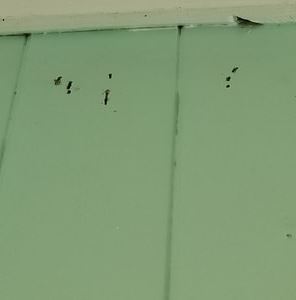
Termite Holes